
Venture building

Who owns Bugatti? Discover how the legendary hypercar brand is owned by Bugatti Rimac, a joint venture between Rimac Group and Porsche. Full ownership breakdown.
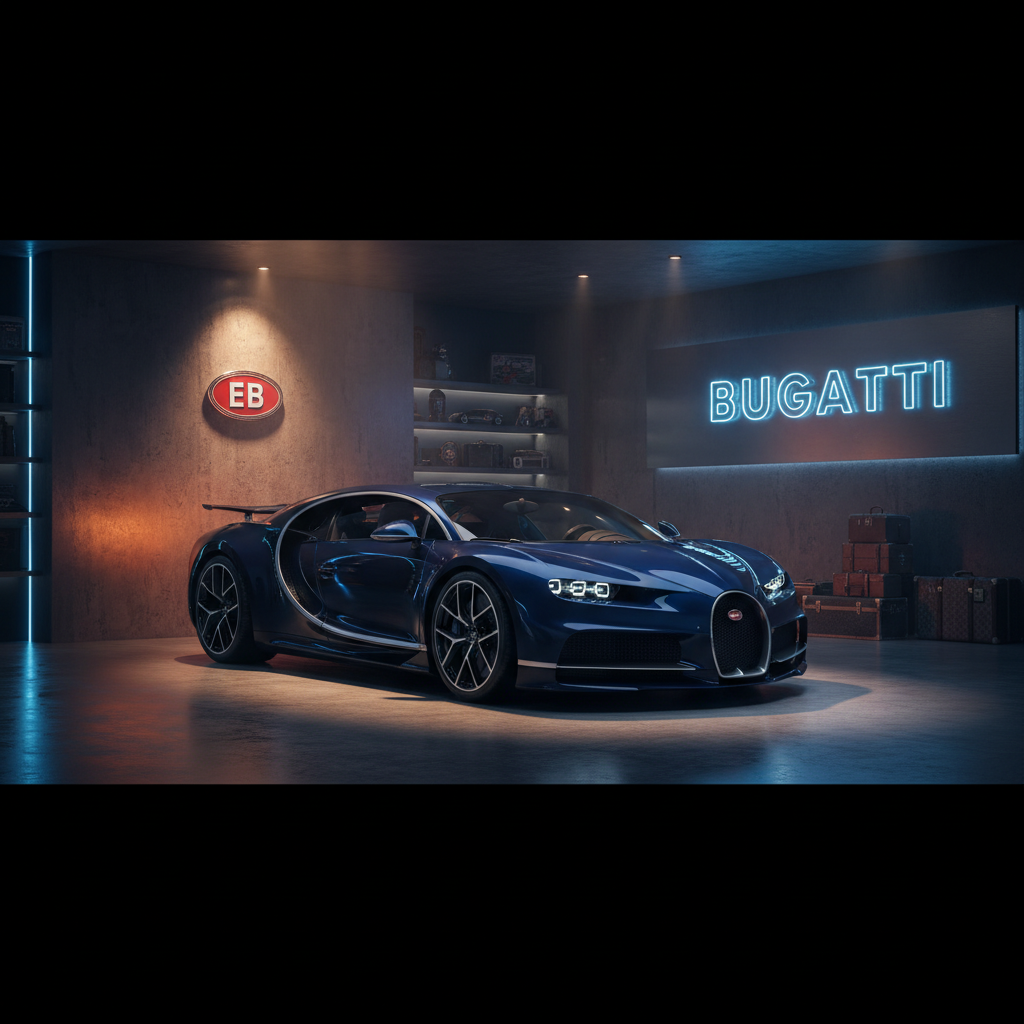
The question of who owns Bugatti has a fascinating answer that represents one of the automotive industry's most unexpected ownership shifts. As of 2024, Bugatti is owned by Bugatti Rimac, a joint venture where Croatian electric hypercar manufacturer Rimac Group holds 55% ownership and German automotive giant Porsche AG holds 45%. This partnership, finalized in 2021, transferred control of the legendary French hypercar brand from Volkswagen Group's direct ownership to this innovative new structure, positioning Bugatti at the intersection of traditional hypercar excellence and cutting-edge electric vehicle technology.
Bugatti Rimac is the parent company that controls the Bugatti brand today, with the ownership split carefully structured to balance innovation with industrial expertise. Rimac Group, led by founder and CEO Mate Rimac, holds the controlling 55% stake in Bugatti Rimac. Porsche AG maintains the remaining 45% stake, giving the German manufacturer significant influence while allowing Rimac's visionary leadership to drive the company's direction.
This ownership arrangement means that while Bugatti Rimac operates as an independent entity, it benefits from substantial backing. Porsche itself is majority-owned by Porsche SE, which holds 31.9% of Volkswagen Group's ordinary shares, creating an indirect connection between Bugatti and its former parent company. The headquarters of Bugatti Rimac is located in Zagreb, Croatia, at Rimac's state-of-the-art campus, though Bugatti's historic manufacturing facility remains in Molsheim, France, where the brand has produced its vehicles since Ettore Bugatti founded the company in 1909.
The combined entity brought together two distinct brands: Bugatti, with its century-long heritage of creating some of the world's most expensive and fastest cars, and Rimac Automobili, the Croatian startup that has become a leader in electric hypercar technology and high-performance battery systems.
Bugatti's ownership history is as dramatic and storied as its legendary vehicles. Ettore Bugatti founded Automobiles E. Bugatti in 1909 in Molsheim, then part of the German Empire and now in France. The company remained family-owned through its golden era in the 1920s and 1930s, producing cars that dominated racing circuits and epitomized automotive art.
After Ettore Bugatti's death in 1947, the company struggled under his son Jean's leadership and eventually closed in 1963. The brand lay dormant for decades until Italian entrepreneur Romano Artioli acquired the rights in 1987, attempting a revival with the EB110 supercar. This venture failed by 1995, leading to bankruptcy.
Volkswagen Group Chairman Ferdinand Piëch purchased Bugatti's rights in 1998, seeing potential in reviving the marque as the crown jewel of Volkswagen's luxury brand portfolio. Volkswagen invested heavily in establishing new manufacturing facilities in Molsheim and developing the Veyron, which debuted in 2005. This period marked Bugatti's transformation from a dormant historical brand into a functioning hypercar manufacturer once again.
Under Volkswagen's stewardship from 1998 to 2021, Bugatti produced the groundbreaking Veyron series and its successor, the Chiron, along with numerous special editions that pushed the boundaries of automotive performance. However, Volkswagen never disclosed whether Bugatti was profitable, with industry analysts suggesting the division operated at a loss given the enormous development costs relative to its limited production volume of roughly 70-80 cars annually.
Volkswagen Group's acquisition and development of Bugatti represented one of the automotive industry's most ambitious prestige projects. Ferdinand Piëch, then chairman of Volkswagen AG, personally championed the Bugatti revival as part of his strategy to position Volkswagen as a manufacturer spanning from mass-market vehicles to ultra-luxury automobiles.
The acquisition cost was never publicly disclosed, but estimates suggest Volkswagen paid approximately $50 million for the Bugatti brand rights in 1998. However, the real investment came afterward. Volkswagen poured an estimated €1.6 billion into developing the Veyron alone, according to automotive industry analysis. The company constructed a new atelier in Molsheim, trained specialized craftsmen, and developed revolutionary technologies including the quad-turbocharged W16 engine and advanced aerodynamics systems.
The Bugatti Veyron, launched in 2005 with a price tag exceeding $1 million, became the world's fastest production car with a top speed of 253 mph. Its successor, the Chiron, debuted in 2016 at €2.4 million and pushed performance even further. Despite selling every unit produced, with each car requiring months of hand-assembly, the economics reportedly never favored profitability.
Volkswagen's ownership provided Bugatti with unmatched resources, including access to the conglomerate's engineering expertise and component supply chains. However, as Volkswagen pivoted toward electrification following the 2015 diesel emissions scandal and mounting pressure to invest in electric vehicle technology, maintaining a loss-making hypercar division became increasingly difficult to justify to shareholders and regulators.
The formation of Bugatti Rimac in 2021 solved multiple strategic challenges for all parties involved. The joint venture, valued at several billion euros though exact figures remain confidential, created a new entity combining Bugatti's heritage and Rimac's technological prowess.
Under the deal structure, Rimac Group contributed its Rimac Automobili hypercar business and took operational control with its 55% stake. Porsche contributed the Bugatti brand and business while retaining 45% ownership and significant governance rights. Crucially, Porsche also maintains a separate 24% stake directly in Rimac Group itself, acquired through investments totaling approximately €500 million between 2018 and 2021.
Bugatti Rimac operates two distinct brands under one corporate structure. The Bugatti brand continues producing combustion-engine hypercars in Molsheim, while the Rimac brand develops electric hypercars in Zagreb. This arrangement allows both brands to share technology, research and development costs, and supplier relationships while maintaining separate identities in the market.
The joint venture's governance structure gives Mate Rimac decision-making authority as CEO, while Porsche retains board representation and veto rights on major strategic decisions. This balance ensures Rimac's entrepreneurial vision drives innovation while Porsche's industrial experience provides stability and resources.
For Volkswagen Group, the deal accomplished several goals: extracting value from an unprofitable division, maintaining indirect exposure to Bugatti through Porsche's stake, and aligning with electrification priorities. The arrangement also satisfied regulators and investors who had questioned Volkswagen's luxury spending amid pressure to fund electric vehicle development.
Mate Rimac's journey from a teenager modifying BMW engines in his garage to controlling one of the world's most prestigious automotive brands represents a remarkable entrepreneurial success story. Born in 1988 in Bosnia and Herzegovina and raised in Croatia, Rimac founded Rimac Automobili in 2009 at age 21 after converting a BMW 3 Series into a high-performance electric vehicle.
Rimac Automobili gained international attention with the Concept One electric hypercar in 2011, demonstrating that electric vehicles could deliver supercar performance. The company's technological innovations, particularly in battery systems, electric powertrains, and advanced driver assistance systems, attracted investments from Porsche, Hyundai, Kia, and others.
By the time the Bugatti deal was announced, Rimac had established his company as a tier-one supplier of electric powertrain technology to major automotive manufacturers, with revenue exceeding €200 million annually from technology licensing and components. The Concept One's successor, the Nevera, launched in 2021 with 1,914 horsepower and became the world's fastest accelerating production car.
Rimac's vision for Bugatti Rimac focuses on leveraging shared technology while respecting each brand's identity. He has stated that Bugatti will continue producing combustion-engine vehicles as long as customers demand them and regulations permit, while gradually introducing hybrid and eventually full-electric models. This pragmatic approach recognizes Bugatti's customer base values engine sound and traditional performance characteristics.
Under Rimac's leadership, Bugatti Rimac has expanded its workforce to over 1,000 employees and opened new facilities. The company operates a unique business model combining low-volume hypercar production with high-margin technology licensing, positioning it for profitability where Bugatti alone struggled.
Porsche's 45% stake in Bugatti Rimac and separate 24% investment in Rimac Group represents a carefully calculated strategic positioning in the electric hypercar segment. For Porsche, these investments total approximately €500-600 million but provide access to technology and expertise that would cost billions to develop independently.
Porsche's involvement offers Bugatti Rimac credibility, manufacturing expertise, and access to Volkswagen Group's vast supplier network. Porsche executives sit on Bugatti Rimac's supervisory board, contributing decades of sports car engineering experience and luxury brand management. This relationship extends beyond governance to operational collaboration, with Porsche sharing manufacturing processes and quality control methodologies.
The investments also serve Porsche's own electrification strategy. Rimac's battery technology and electric powertrains inform Porsche's electric vehicle development, including future performance variants of the Taycan and potential electric 911 derivatives. This technology transfer works both directions, with Bugatti benefiting from Porsche's refinement expertise and production efficiency knowledge.
Financially, Porsche has positioned these investments as venture capital plays with strategic benefits rather than conventional acquisitions. This structure allows Porsche to participate in Bugatti Rimac's potential upside while limiting downside risk. If Bugatti Rimac achieves profitability through its dual brand strategy and technology licensing, Porsche's stake could generate significant returns.
Porsche's role also maintains important historical continuities. Both Porsche and Bugatti have deep roots in Ferdinand Porsche's legacy, as he worked with Ettore Bugatti in the 1920s and his engineering office contributed to various Bugatti projects. The connection between Porsche SE's ownership of Volkswagen Group shares and Porsche AG's stake in Bugatti Rimac creates a complex but strategically coherent relationship.
The Bugatti Rimac partnership fundamentally transforms both brands' capabilities and market positioning. For Bugatti, access to Rimac's electric powertrain technology enables a credible electrification pathway without diluting the brand's performance credentials. This addresses the existential challenge facing all hypercar manufacturers as internal combustion engines face increasing regulatory restrictions.
Rimac gains equal benefits from the partnership. The Bugatti brand provides instant prestige, a century of racing heritage, and an established ultra-high-net-worth customer base that Rimac, despite its technological achievements, would need decades to cultivate independently. Bugatti's Molsheim atelier also offers manufacturing expertise in hand-crafted luxury that complements Rimac's high-tech Zagreb facility.
The shared technology platform approach enables cost efficiencies impossible for independent operations. Both brands can amortize research and development expenses across a larger production base, share supplier relationships for exotic materials like carbon fiber, and cross-pollinate engineering talent. Early examples include the development of shared chassis technologies and aerodynamics research that benefits both brands' future models.
This partnership model also positions Bugatti Rimac as a technology supplier to other manufacturers, expanding beyond vehicle production. The company has secured contracts to supply electric powertrains and battery systems to multiple automakers, creating a revenue stream that supports hypercar development. This dual business model addresses the fundamental challenge that plagued Bugatti under Volkswagen ownership: limited production volume makes profitability difficult when relying solely on vehicle sales.
The cultural integration has proceeded carefully, with both brands maintaining separate identities and product philosophies. Bugatti continues its tradition of extreme combustion-engine performance, while Rimac pushes electric vehicle boundaries. This approach recognizes that forcing immediate convergence would alienate existing customers while the gradual sharing of technology creates long-term synergies.
Bugatti Rimac's corporate structure reflects its dual-brand strategy and joint ownership. Mate Rimac serves as CEO of Bugatti Rimac, with authority over both brands' strategic direction. Christophe Piochon was appointed President of Bugatti Automobiles, overseeing the French brand's day-to-day operations, product development, and manufacturing in Molsheim.
The supervisory board includes representatives from both Rimac Group and Porsche AG, ensuring governance reflects the ownership split. This board structure provides strategic oversight while allowing operational independence for each brand's management team. Key decisions require board approval, but routine operations remain delegated to brand presidents.
Bugatti's workforce remains largely based in Molsheim, where approximately 300 employees hand-assemble each vehicle. These craftsmen undergo years of training in specialized techniques required for Bugatti's complex construction methods. The atelier operates more like a luxury watchmaker than a conventional automotive factory, with each car requiring hundreds of hours of hand-finishing.
Rimac's operations in Zagreb employ over 700 people focused on electric powertrain development, battery technology, and advanced driver assistance systems. The Croatian campus includes research and development facilities, prototype production, and limited production capabilities for the Nevera hypercar. This site also houses the technology division that supplies components to other manufacturers.
The combined entity's financial structure remains private, as neither Rimac Group nor Porsche publicly discloses detailed financial information about Bugatti Rimac. However, industry analysis suggests the company targets profitability through combined vehicle sales and technology licensing revenue, with projections estimating annual revenue could reach €500-700 million once the business model fully matures.
Bugatti's product roadmap under Rimac ownership signals evolution rather than revolution. The company has confirmed the Chiron production run will conclude after completing all 500 units, with the final examples delivered by late 2024 or early 2025. This maintains Bugatti's tradition of limited production and exclusivity while preparing for the next generation.
The first major new model under Bugatti Rimac ownership was announced as a hybrid hypercar, combining Bugatti's traditional W16 engine with electric motors developed by Rimac. This approach acknowledges customer preferences for engine sound and emotion while incorporating electrification's performance benefits. The hybrid powertrain is expected to deliver over 1,800 horsepower, surpassing even the Chiron Super Sport's 1,577 horsepower.
Future plans include a fully electric Bugatti, though the timeline remains flexible based on customer acceptance and regulatory requirements. Mate Rimac has stated that Bugatti will not rush electrification if customers prefer combustion engines, but the brand must prepare for inevitable regulatory changes in key markets like Europe and California.
The ownership structure enables Bugatti to develop vehicles more efficiently by leveraging Rimac's electric powertrain components, battery technology, and software capabilities. This shared technology approach could reduce development costs by 30-40% compared to Bugatti developing comparable systems independently, making the business model more sustainable.
Bugatti is also exploring expanded personalization options and limited edition models that capitalize on the brand's heritage while incorporating modern technology. These special editions generate higher margins and maintain customer engagement between major new model launches.
The Bugatti brand's financial value has never been officially disclosed, but industry analysts estimate its worth at €500 million to €1 billion based on the Bugatti Rimac joint venture structure. This valuation reflects not just current revenue but the brand's heritage, customer loyalty, and future potential under electric performance leadership.
Brand valuation metrics for luxury automotive marques typically consider revenue multiples, profit margins, brand awareness, and heritage value. Bugatti produces approximately 70-80 vehicles annually with average transaction prices exceeding €3 million, generating estimated annual revenue of €210-240 million from vehicle sales alone. Additional revenue from merchandise, brand licensing, and spare parts adds approximately €30-50 million annually.
The joint venture's total implied valuation at formation exceeded €2 billion, though this figure encompassed both the Bugatti and Rimac brands plus Rimac's technology business. Separating Bugatti's specific contribution suggests the hypercar brand represented roughly 25-35% of the combined entity's value at the deal's inception.
| Shareholder | Ownership % | Estimated Value (€M) |
|---|---|---|
| Rimac Group | 55% | 1,100-1,375 |
| Porsche AG | 45% | 900-1,125 |
| Total Enterprise Value | 100% | 2,000-2,500 |
Bugatti's value extends beyond financial metrics to include intangible assets like brand recognition, racing heritage, and association with luxury and performance. The name carries cachet that took competitors decades or centuries to build, providing competitive advantages in customer acquisition and premium pricing power.
Porsche's separate 24% stake in Rimac Group adds complexity to the valuation picture. This investment, totaling approximately €500 million, values Rimac Group at roughly €2 billion independently, suggesting the combined Bugatti Rimac entity's total value could reach €3-4 billion as the business matures and technology licensing revenue grows.
No, Volkswagen Group no longer directly owns Bugatti as of 2021. The brand was transferred to Bugatti Rimac, a joint venture owned 55% by Rimac Group and 45% by Porsche AG. However, Volkswagen maintains indirect exposure through Porsche SE's ownership stake in Volkswagen Group.
Mate Rimac is a Croatian automotive entrepreneur who founded Rimac Automobili in 2009, building it into a leading electric hypercar manufacturer and EV technology supplier. He acquired majority control of Bugatti through a 2021 joint venture where his Rimac Group took 55% ownership of the newly formed Bugatti Rimac entity, with Porsche contributing Bugatti and retaining 45%.
Rimac Group owns 55% of Bugatti Rimac, the parent company that controls the Bugatti brand. Porsche AG owns the remaining 45% stake. Additionally, Porsche holds a separate 24% stake directly in Rimac Group itself, creating a complex but strategically aligned ownership structure.
Bugatti is not solely owned by Porsche, but Porsche AG is a significant minority shareholder with 45% ownership of Bugatti Rimac. Porsche also holds 24% of Rimac Group separately, giving it substantial influence over Bugatti's direction while Rimac Group maintains operational control with its 55% stake in the joint venture.
Bugatti plans a gradual transition to electrification rather than an immediate switch to all-electric vehicles. The brand is introducing hybrid models first, combining traditional combustion engines with electric motors, and will eventually offer fully electric hypercars. CEO Mate Rimac has stated the timeline depends on customer preferences and regulatory requirements, ensuring Bugatti respects its heritage while preparing for an electric future.
The ownership of Bugatti through the Bugatti Rimac joint venture represents a sophisticated solution to the challenges facing ultra-luxury hypercar manufacturers in an electrifying automotive landscape. Rimac Group's 55% controlling stake, combined with Porsche's 45% strategic investment, creates a partnership that balances entrepreneurial innovation with industrial expertise and financial resources.
This ownership structure positions Bugatti to honor its 115-year heritage while adapting to regulatory realities and changing customer expectations. The partnership provides access to cutting-edge electric vehicle technology without forcing premature abandonment of the combustion engines that define Bugatti's character. Simultaneously, the arrangement enables both brands to share costs, leverage complementary strengths, and pursue a profitable business model that eluded Bugatti under Volkswagen's ownership.
For Mate Rimac, controlling Bugatti represents validation of his vision and technology, elevating his company from promising startup to custodian of automotive royalty. For Porsche, the investments offer exposure to hypercar innovation and advanced EV technology at a fraction of independent development costs. And for Bugatti enthusiasts, the arrangement promises continued production of extraordinary vehicles while ensuring the brand's long-term viability in an uncertain automotive future.


